

Your entire operation in a single view
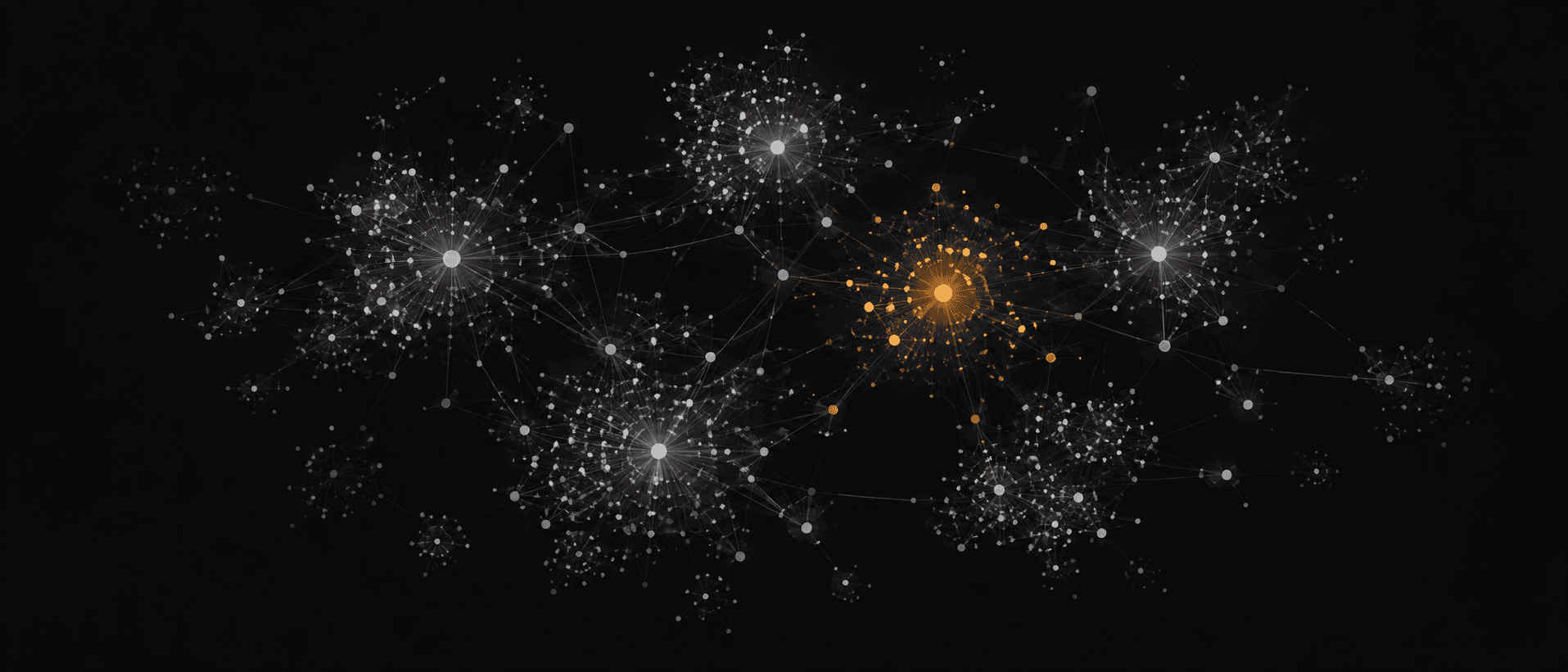
Argos builds a brain of everything that happens in your operation.
It connects your systems and sources into a single model, with memory: what exists, what should have happened, what did happen and how each thing relates. On top of that brain it works in three steps.
It understands what was expected
Orders, permits, contracts and deadlines define what should have happened.
It relates what happened
Each record keeps its source, its time and its origin, and is linked to the others: the same equipment, the same service, the same moment, even when they come from different systems.
It flags what does not add up
Contradictions, gaps and delays arrive as a case with the evidence for and against. If the evidence is not enough, Argos says so.
- Observation
- Evidence
- Hypothesis
- Case
- Recommendation
- Human decision
- Outcome
Argos is designed to keep that brain up to date and, over time, to follow the operation continuously and suggest improvements.
A billing objection, built claim by claim.
From observation to a decision that can be reconstructed. Illustrative examples with synthetic data: neither case corresponds to a real client. No single source resolves it; the case appears when they are crossed.
The objection
A contractor bills 14 h of a boom truck plus 3 h of waiting. The client says the equipment arrived at 10:40 and that the wait is not its responsibility.
The sources are gathered
Work order, GPS, the client's gate log, the operator's photos, an email and the daily report. Each record keeps its source and its time.
Each claim is assessed on its own
Arrival, time on site and availability are supported; arrival and time on site even by the client's own gate log. The work performed and the first part of the wait have no documentary support: GPS alone does not prove that work was done.
A person decides
The contract administrator sees what is supported and what is not, and chooses to claim part of the amount, conceding what has no support. Who decided and what they saw is recorded.
A case file remains
What each source showed, what was missing and what was decided, written so the other party can review it, including the gaps that do not favor whoever submits it.

- Equipment arrivalSupported
- Time on siteSupported
- Equipment availabilitySupported
- Cause of the wait, from the client's email onwardSupported
- Cause of the wait, first partPending evidence
- Work performedPending evidence
It connects with what you already have.
Each source is translated into a common model. Adding a source means adding an adapter, not rebuilding the system.
Each connection is defined and validated per project. Argos does not replace your systems.

AI recommends. A person decides.
- What was observed, what was interpreted and what was decided are stored separately.
- Without enough evidence, Argos abstains: undetermined, never an accusation. A source that is down is insufficient coverage, never “all clear”.
- An identified person decides, and what they saw when doing so is recorded.
- It does not determine who is right or whether an invoice should be paid.
- It does not replace your systems.
- It does not treat work as performed based on a GPS location alone.
What people usually ask before a demo.
Does it replace my systems?
No. Argos connects on top of the systems you already have. It does not replace them or switch them off.
Does it determine who is right?
No. It gathers and organizes the evidence so a person can decide. That decision depends on the contract and the people responsible.
What happens if a source is missing?
Argos reports it as insufficient coverage and does not conclude that something did not happen. The absence of a record is not a record of absence.
Be among the first to use Argos
We are opening access in groups. Leave us your email and we will let you know as soon as there is room for your operation, before the public launch.